Central Kenya has two highland national parks that attract travellers looking for something beyond the classic savannah safari. Aberdare National Park and Mount Kenya National Park are adjacent to each other on the map, and many itineraries include them both. But they are not interchangeable. The choice depends on what you are trying to do — and in some cases the answer is genuinely both.
This guide breaks down the differences so you can decide where your central Kenya days are best spent.
What Each Park Is
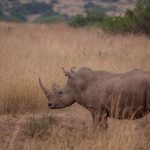
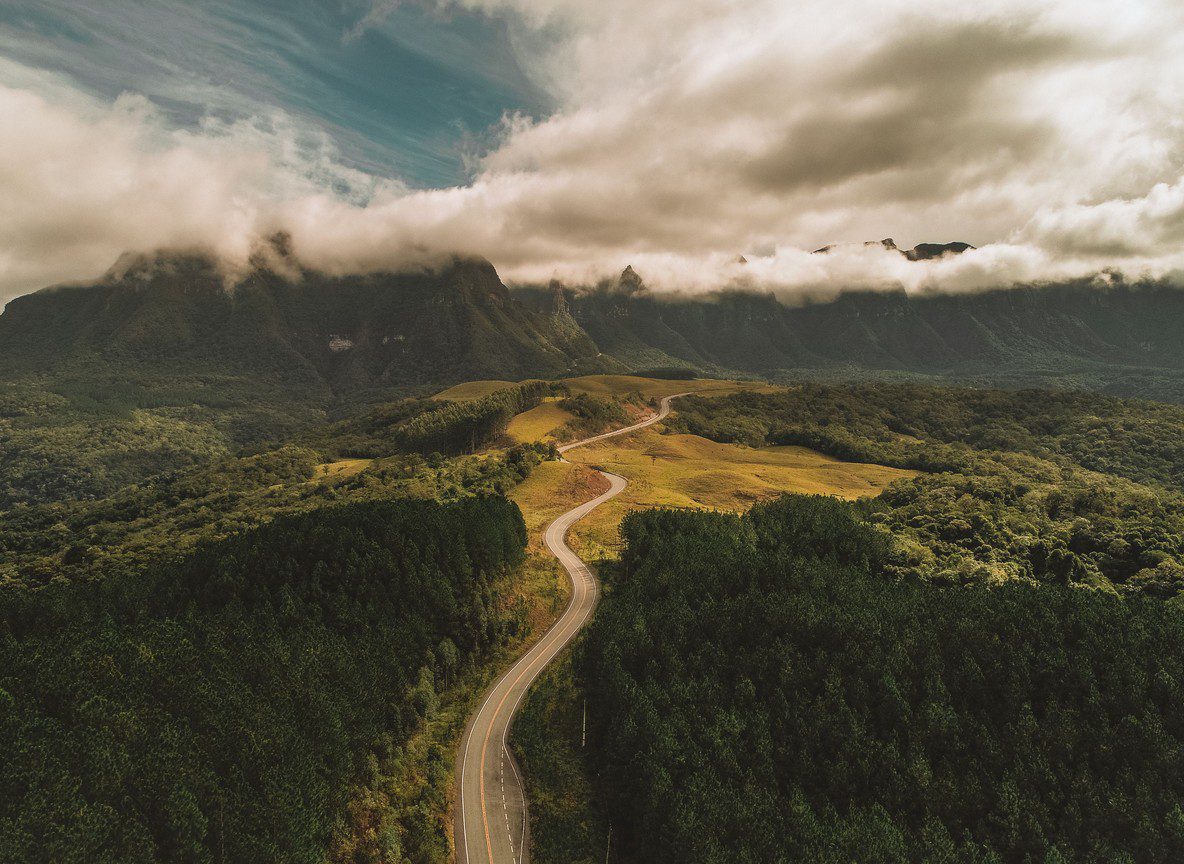
Aberdare National Park covers 767 square kilometres in the Aberdare Range, rising from dense bamboo and montane forest at 2,000 metres to open moorland at over 4,000. The park is best known for its tree hotels — elevated lodges above floodlit wildlife waterholes — and for highland forest species including black rhino, leopard, and the extremely rare mountain bongo antelope.
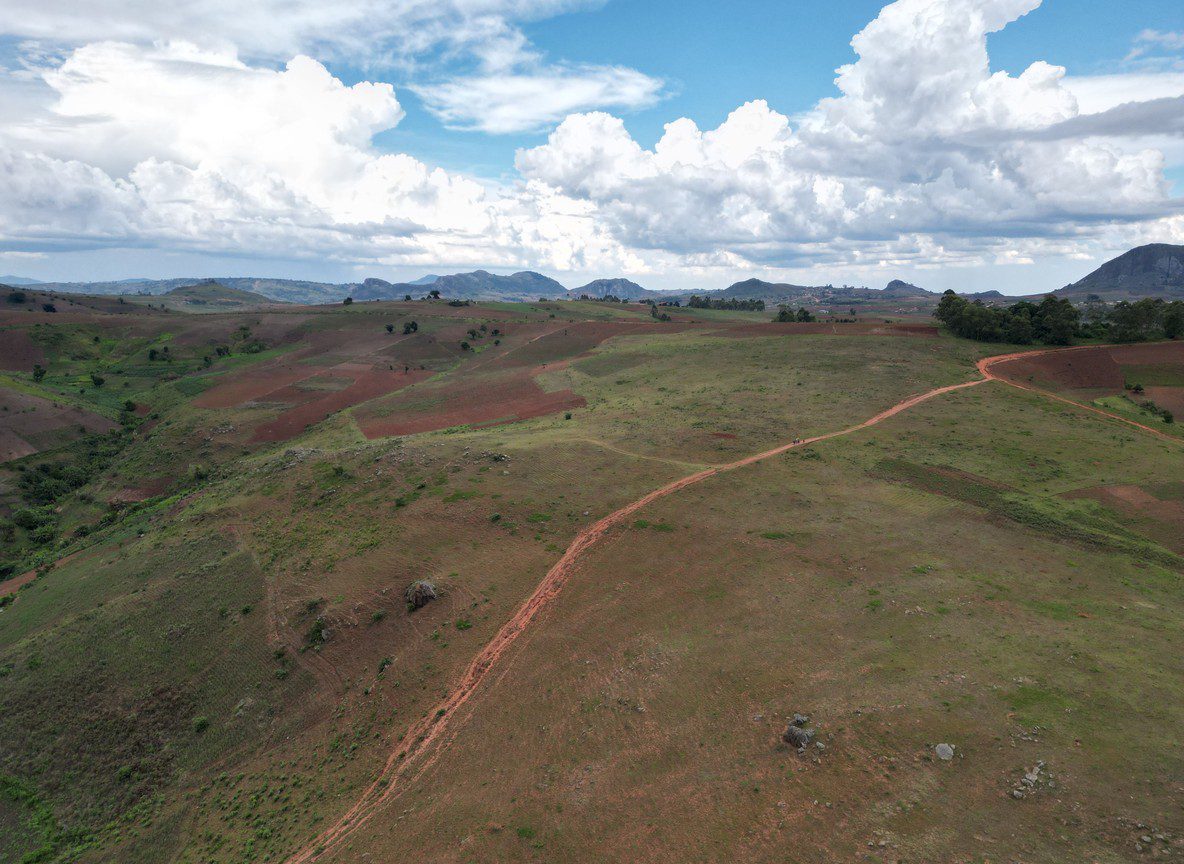
Mount Kenya National Park encompasses the upper slopes and summit zone of Africa’s second-highest peak, Mount Kenya, at 5,199 metres. The park covers approximately 715 square kilometres and is a UNESCO World Heritage Site. Below the glaciated summit, the park extends through alpine moorland and montane forest. It is primarily a mountain park, with trekking and summit climbing as the central activities and wildlife as a secondary experience in the forest belt.
Wildlife Comparison
| Species | Aberdare | Mount Kenya |
|---|---|---|
| African elephant | Common in forest and Salient | Present in forest belt |
| Black rhino | Present, sightings possible | Very rare, occasional |
| Leopard | Present; nocturnal visits to tree hotel waterholes | Present in forest, rarely seen |
| Black and white colobus monkey | Present in canopy | Highly visible in upper montane forest |
| Giant forest hog | Aberdare endemic; regular waterhole visits | Not common |
| Mountain bongo | Extremely rare; Aberdare is one of last strongholds | Not present |
| Lion | Present on moorland | Not typical |
| Eland, waterbuck, bushbuck | Moorland and stream valleys | Moorland species present |
The key difference: Aberdare is a wildlife safari park. Game drives and nocturnal waterhole viewing at the tree hotels are the core activities. Mount Kenya is a mountain park. Wildlife is present in the forest zones but is secondary to the trekking and climbing experience. If you are going to Mount Kenya NP primarily to see wildlife, Aberdare will serve you better.
Activities Comparison
Aberdare National Park:
- Overnight stays at The Ark or Treetops lodge, with nocturnal wildlife viewing above floodlit waterholes
- Game drives on the moorland plateau (lion, eland, serval) and in the Salient forest (elephant, rhino tracks, colobus)
- Waterfall walks to Karuru Falls and Gura Falls, among the tallest in Africa
- Fly camping in the forest zone (specialist itineraries)
Mount Kenya National Park:
- Summit trekking to Point Lenana (4,895 metres, non-technical) over three to four days
- Technical climbing to the twin peaks of Batian (5,199 metres) and Nelion (5,188 metres)
- Forest walks and birdwatching in the montane forest on the lower slopes
- Trout fishing in mountain streams
- Rock climbing on summit rock faces
The distinction is fundamental. Aberdare activities are wildlife-centred. Mount Kenya activities are mountain-centred. Only in the forest zone of Mount Kenya does wildlife viewing become a meaningful part of the experience.
Scenery
Aberdare offers highland forest immersion — dense bamboo, mist, waterfalls, and the sharp contrast of the open moorland plateau above the tree line. The Salient’s forested valleys, particularly in early morning, have a remote and dramatic feel that is very different from Kenya’s open savannah parks.
Mount Kenya provides one of the most dramatic mountain landscapes in Africa. Glaciated peaks, high-altitude moorland, and the tarn lakes below the summit — Michaelson Lake, Hausberg Tarn — create an alpine wilderness with no equivalent in East Africa. The view of Mount Kenya from the surrounding plains at Nanyuki, Meru, or Embu on a clear morning is one of the continent’s most striking sights.
Accessibility from Nairobi
| Park | Distance | Road Time | Via |
|---|---|---|---|
| Aberdare | 150 km | 2.5 to 3 hours | Nyeri |
| Mount Kenya (Sirimon Gate) | 200 km | 3 hours | Nanyuki |
| Mount Kenya (Chogoria Gate) | 250 km | 3.5 to 4 hours | Meru/Embu |
Aberdare is the closer park and the stronger day-trip or overnight option from Nairobi. Mount Kenya typically requires at least three nights for a summit attempt, making it a more substantial commitment.
Who Each Park Suits
Aberdare is better for:
- First-time or returning visitors wanting a genuine wildlife safari in a habitat unlike any savannah park
- Guests for whom the tree hotel nocturnal waterhole experience is the specific draw
- Travellers combining with Ol Pejeta and Samburu on a central Kenya wildlife circuit
- Anyone targeting specific Aberdare species: mountain bongo, black rhino, giant forest hog
Mount Kenya is better for:
- Trekkers and climbers targeting Point Lenana or the technical summit peaks
- Travellers who want a mountain experience as part of a broader Kenya itinerary
- Birdwatchers: the montane forest holds a high diversity of highland bird species
- Adventurous visitors looking for active highland exploration beyond vehicle-based game drives
Both parks are worth including if:
- Your central Kenya circuit has five or more days
- You want to combine nocturnal wildlife viewing at Aberdare with a Forest walk or lower-slope birdwatching at Mount Kenya
- You are basing yourself at Nanyuki (equidistant between both parks) for a multi-activity highland stay
Quick Reference
| Factor | Aberdare | Mount Kenya |
|---|---|---|
| Primary appeal | Wildlife safari, tree hotel waterhole | Mountain trekking and climbing |
| Wildlife highlights | Black rhino, elephant, black leopard at waterhole | Colobus monkey, forest elephant |
| Unique feature | Elevated tree hotels over floodlit waterhole | Africa’s second-highest peak |
| Activities | Game drives, night viewing, waterfall walks | Trekking, climbing, fishing |
| Typical stay | 1 to 2 nights | 3 to 5 nights for summit trek |
| Best combined with | Ol Pejeta, Samburu, Laikipia | Aberdare, Samburu, Ol Pejeta |
Planning Your Central Kenya Trip
For detailed guidance on the Aberdare tree hotel experience and what the park’s ecosystems offer, the Tourinsights Aberdare guide covers the full park in detail. For the Ol Pejeta component of the central Kenya circuit — Kenya’s highest rhino density and one of the most rewarding wildlife destinations in the country — the Tourinsights Ol Pejeta guide gives camp and wildlife planning guidance in full.
Turn this reading into a real itinerary with help from a Kenya-based safari team.
Start Planning Your Safari